- Home
- Departments
- Public Works
- Waste Water Utility
Waste Water Utility
Fats, Oil, and Grease
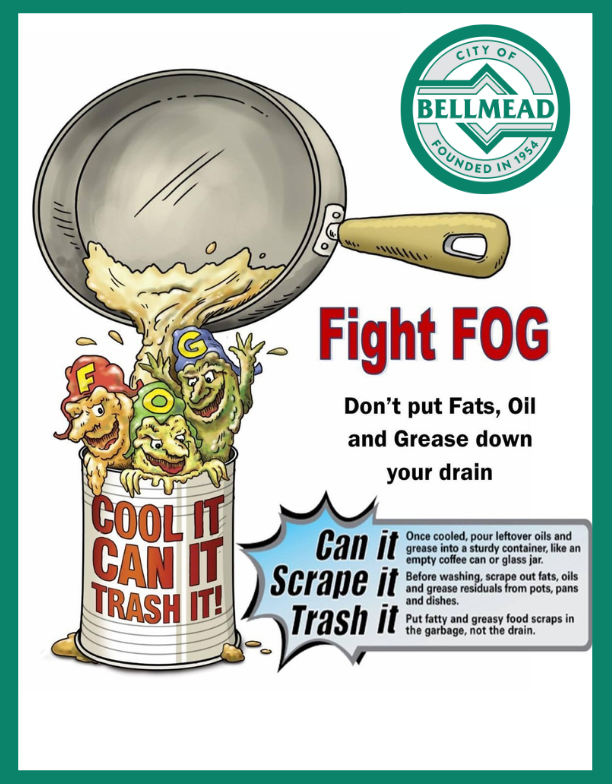
It's crucial to understand the detrimental effects of improperly disposing of fats, oil, and grease "FOG". When these substances are poured down drains, they may seem harmless, but they can wreak havoc on our sewer systems and the environment.
Here are a few reasons why you should avoid pouring FOG down drains:
- Clogged Pipes: Fats, oils, and grease can solidify and accumulate inside pipes, causing blockages that lead to sewage backups in homes, businesses, and public infrastructure. These backups can result in costly repairs and inconvenience for everyone involved.
- Environmental Impact: When FOG enters our sewer systems, it can eventually make its way into our rivers, lakes, and oceans. Once there, it forms thick layers on the water's surface, suffocating aquatic life and disrupting ecosystems.
- Public Health Concerns: Sewage backups not only pose a risk to the environment but also to public health. They can expose communities to harmful bacteria and contaminants, leading to waterborne illnesses and other health hazards.
To prevent these problems and protect our community and environment, it's essential to dispose of fats, oils, and grease properly. Here are some tips:
- Cool, Scrape, and Dispose: After cooking, allow fats, oils, and grease to cool and solidify, then scrape them into a sealable container and dispose of them in the trash.
- Use Absorbent Materials: Use paper towels or napkins to wipe greasy pots, pans, and dishes before washing them. This helps minimize the amount of FOG that enters the drain.
- Install Grease Traps: For commercial kitchens and food establishments, installing grease traps or interceptors can effectively capture FOG before it enters the sewer system.
By following these simple steps, you can play a significant role in preserving the integrity of our sewer infrastructure and protecting the environment for future generations.